
Embracing Regional Authenticity
- Steve Keyser
- Nov 25, 2025
- 5 min read
Updated: Jan 10
Using Locally Sourced Cedar Shou Sugi Ban in the Northwest

The choice of materials in architecture shapes more than just the physical structure. It connects a building to its environment, culture, and history. In the Pacific Northwest, Western Red Cedar (WRC) carries deep significance that goes beyond its physical properties. For thousands of years, Indigenous peoples have called it the “Tree of Life,” using it for shelter, tools, and spiritual practices.
When architects and builders use locally sourced cedar in Shou Sugi Ban, a traditional Japanese wood preservation technique, they create a meaningful link between the material, the maker, and the place. This connection enriches the story of the building and honors the landscape it inhabits.
The Cultural Roots of Western Red Cedar in the Pacific Northwest
Western Red Cedar has been central to the lives of Indigenous communities in the Pacific Northwest for millennia. It provided more than just wood; it was a source of identity and spirituality. Longhouses, canoes, clothing, and ceremonial objects were crafted from cedar, each piece telling a story tied to the land and its people.

Using locally sourced cedar today honors this heritage. It respects the traditions and knowledge passed down through generations. For architects and builders, this means more than selecting a durable material—it means choosing a wood that carries the weight of history and cultural significance.
The Benefits of Using Locally Sourced Cedar
Choosing locally sourced cedar has numerous advantages. First, it supports local economies and reduces the carbon footprint associated with transporting materials over long distances. By sourcing cedar from nearby forests, we ensure that the wood is well-suited to the local climate. This enhances the longevity of the finished product.
Additionally, local sourcing fosters a sense of community. It connects builders and architects with local suppliers and craftsmen, creating a network of support and collaboration. This relationship not only strengthens the economy but also enriches the architectural landscape of the region.
Why Local Sourcing Matters in Shou Sugi Ban
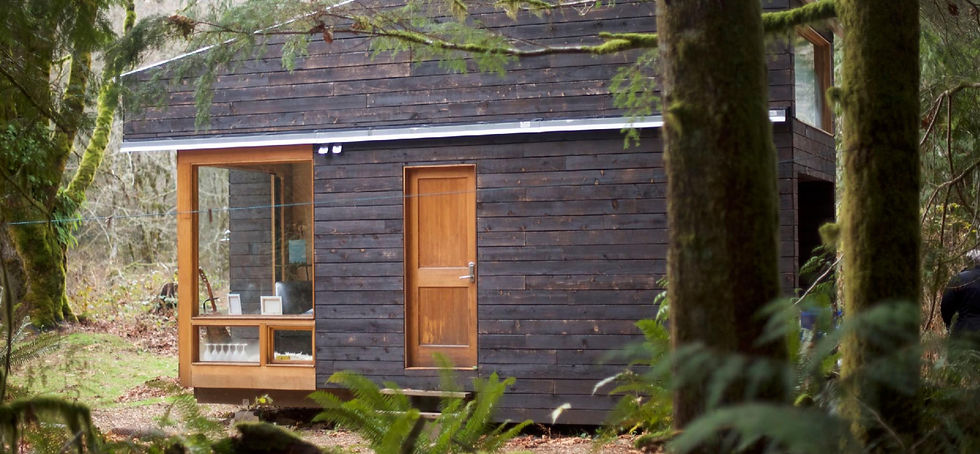
Shou Sugi Ban is a technique that involves charring the surface of wood to protect it from weather, insects, and decay. While this method originated in Japan, applying it to Western Red Cedar from the Pacific Northwest adds a layer of regional authenticity.

Local sourcing supports sustainable forestry practices and reduces the environmental impact of transportation. It also ensures the wood is well-suited to the local climate, which improves the longevity of the finished product. The natural oils and grain of Western Red Cedar respond uniquely to the charring process, creating textures and colors that reflect the region’s character.
Using cedar from the local forests strengthens the connection between the building and its environment. It tells a story of place, craftsmanship, and respect for natural resources.
Practical Benefits in Shou Sugi Ban (Yakisugi)
Western Red Cedar offers several advantages that make it ideal for Shou Sugi Ban applications:
Durability: Naturally resistant to rot and insects, WRC extends the lifespan of exterior cladding.
Workability: Its straight grain and softness make it easy to cut, shape, and char evenly.
Aesthetic appeal: The charring process enhances the wood’s natural grain, creating a striking contrast between burnt and raw surfaces.
Thermal insulation: Cedar’s cellular structure provides good insulation, contributing to energy efficiency.
Sustainability: When sourced responsibly, WRC supports healthy forest ecosystems.


These benefits combine to create a material that is both functional and beautiful, perfectly suited for custom homes and architectural projects that value authenticity.
Integrating Tradition and Modern Design
Homeowners, architects, and custom home builders use Shou Sugi Ban with locally sourced cedar to blend traditional craftsmanship with contemporary design. This approach offers several opportunities:
Highlight regional identity: Using local cedar connects the building to the Pacific Northwest’s natural and cultural heritage.
Create unique textures: The charring process reveals patterns that vary with each piece of wood, adding visual interest.
Enhance durability: The technique protects the wood, reducing maintenance and extending the building’s life.
Support local economies: Sourcing cedar locally benefits regional forestry and woodworking industries.
For example, a custom home in Seattle might feature Shou Sugi Ban cedar siding that complements the surrounding forest while providing a durable, low-maintenance exterior. The charred wood’s deep tones contrast with glass and other wood elements, creating a balanced, modern aesthetic rooted in place.

Sustainable Practices and Ethical Considerations
Choosing locally sourced Western Red Cedar means engaging with sustainable forestry practices. Many suppliers in the Pacific Northwest follow guidelines that ensure forests regenerate and wildlife habitats are preserved. Architects and builders should seek certifications such as FSC (Forest Stewardship Council) to verify responsible sourcing.
Ethical sourcing also respects Indigenous rights and knowledge. Collaborating with local communities or consulting Indigenous experts can deepen understanding of cedar’s cultural importance and promote respectful use.
Final Thoughts on Regional Authenticity

Using locally sourced Western Red Cedar in Shou Sugi Ban techniques offers more than a durable, beautiful finish. It creates a meaningful connection between architecture and place, honoring the Pacific Northwest’s cultural and natural heritage. For architects and custom home builders, this approach supports sustainability, craftsmanship, and storytelling through material choice.
By choosing local cedar, you build with a material that belongs to the land and its people. This choice enriches your projects with authenticity and respect, creating homes and buildings that stand as part of the region’s ongoing story.
Embracing the Future of Sustainable Architecture
As we move forward, the importance of sustainable practices in architecture cannot be overstated. The integration of locally sourced materials like Western Red Cedar in Shou Sugi Ban not only enhances the aesthetic appeal of buildings but also contributes to environmental stewardship.
In the Northwest, where natural beauty is abundant, we have a unique opportunity to design structures that reflect our commitment to the environment. By prioritizing local resources, we can create homes that harmonize with their surroundings and tell a story of sustainability.
The Role of Architects and Builders
Architects and builders play a crucial role in this transformation. By advocating for the use of locally sourced materials, they can influence the industry towards more sustainable practices. This shift not only benefits the environment but also enhances the cultural significance of the buildings we create.
As we embrace this future, let’s remember the lessons of the past. The use of Western Red Cedar in Shou Sugi Ban is not just a trend; it’s a return to our roots. It’s about honoring the land, the people, and the stories that shape our communities.
Conclusion: A Call to Action
In conclusion, the choice to use locally sourced Western Red Cedar in Shou Sugi Ban techniques is a powerful statement. It reflects a commitment to sustainability, cultural heritage, and community. As architects and builders, we have the responsibility to lead by example.
Let’s continue to explore innovative ways to integrate traditional practices with modern design. Together, we can create spaces that are not only beautiful but also respectful of the environment and the rich history of the Pacific Northwest.
By making conscious choices today, we can ensure a brighter, more sustainable future for generations to come.

Comments